Mold on your clothes is just plain frustrating. It ruins favorite outfits and leaves that stubborn musty smell you can’t seem to shake.
You really don’t have to throw everything out or live with ugly stains and odors. With the right approach, your clothes can look fresh and clean again.
You’ll learn easy and practical ways to get rid of mold on clothes that anyone can try at home.
These tips use everyday stuff and simple techniques to save your wardrobe and give you a little peace of mind. It’s really about bringing life back to your fabrics and keeping them safe from future mold growth.
You deserve to feel good about what you wear every day. Let’s get into it.
Scrub mold off clothes gently with a toothbrush
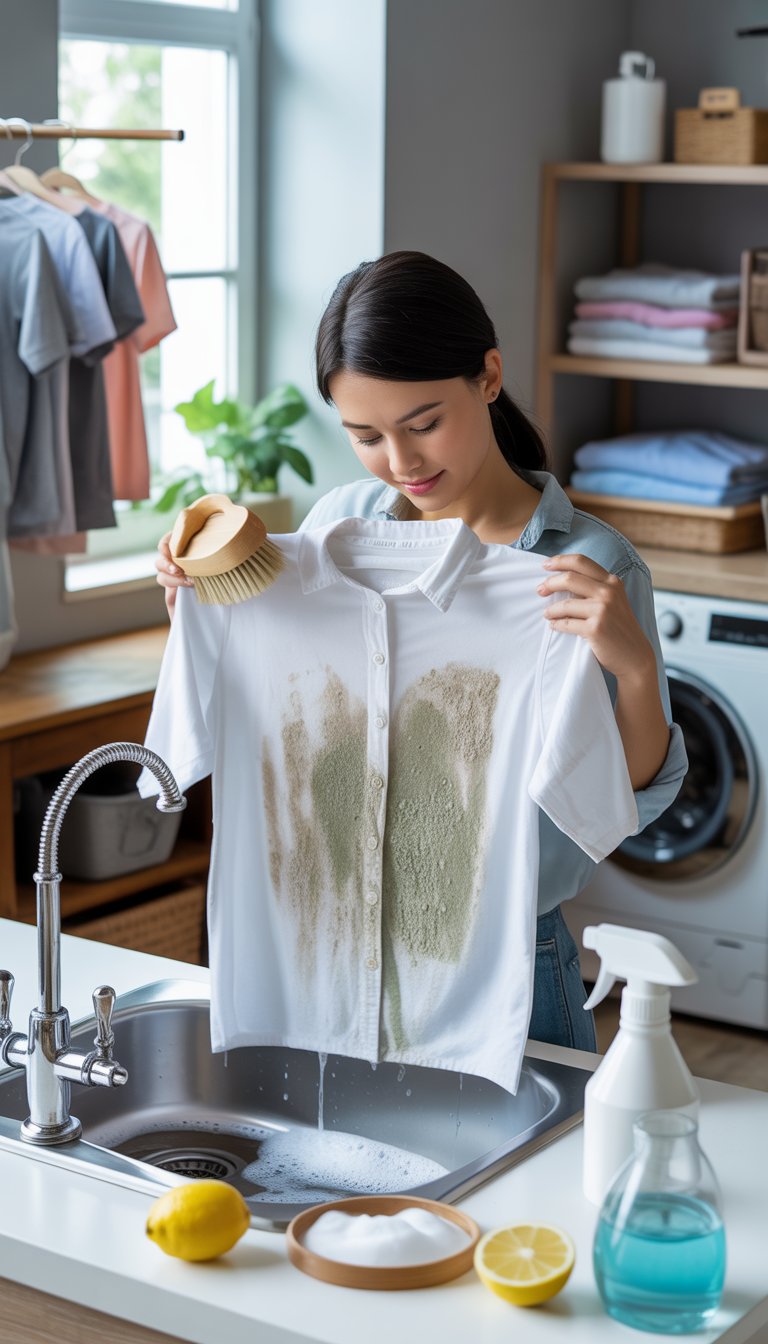
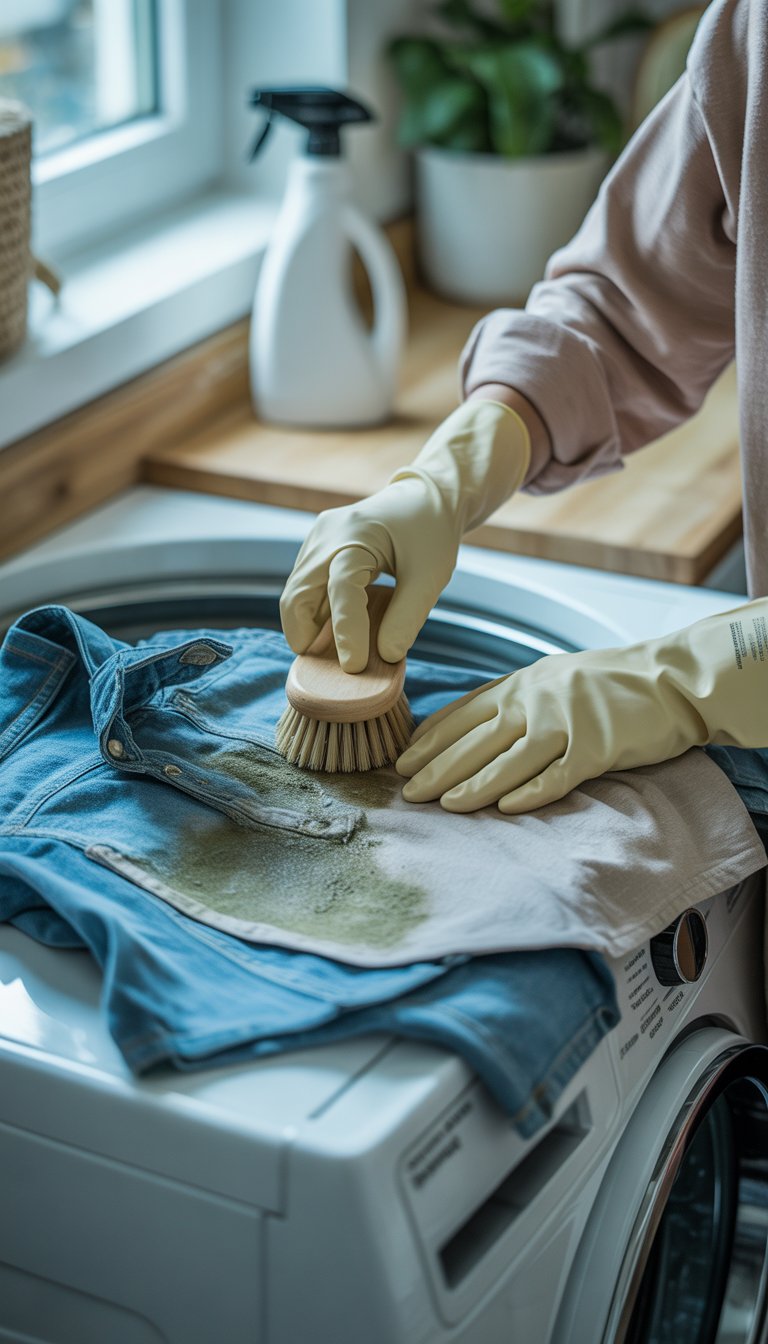
Grab an old toothbrush and gently scrub the mold spots on your clothes. This lifts off the top layer of mold without wrecking the fabric.
Let wet clothes dry in the sun first. Dry fabric is easier to clean, and sunlight can zap some mold spores for you.
Focus your brushing where the mold shows the most. Just use a soft touch and a bit of patience—it really pays off later.
Apply a stain remover and let it soak for 30 minutes
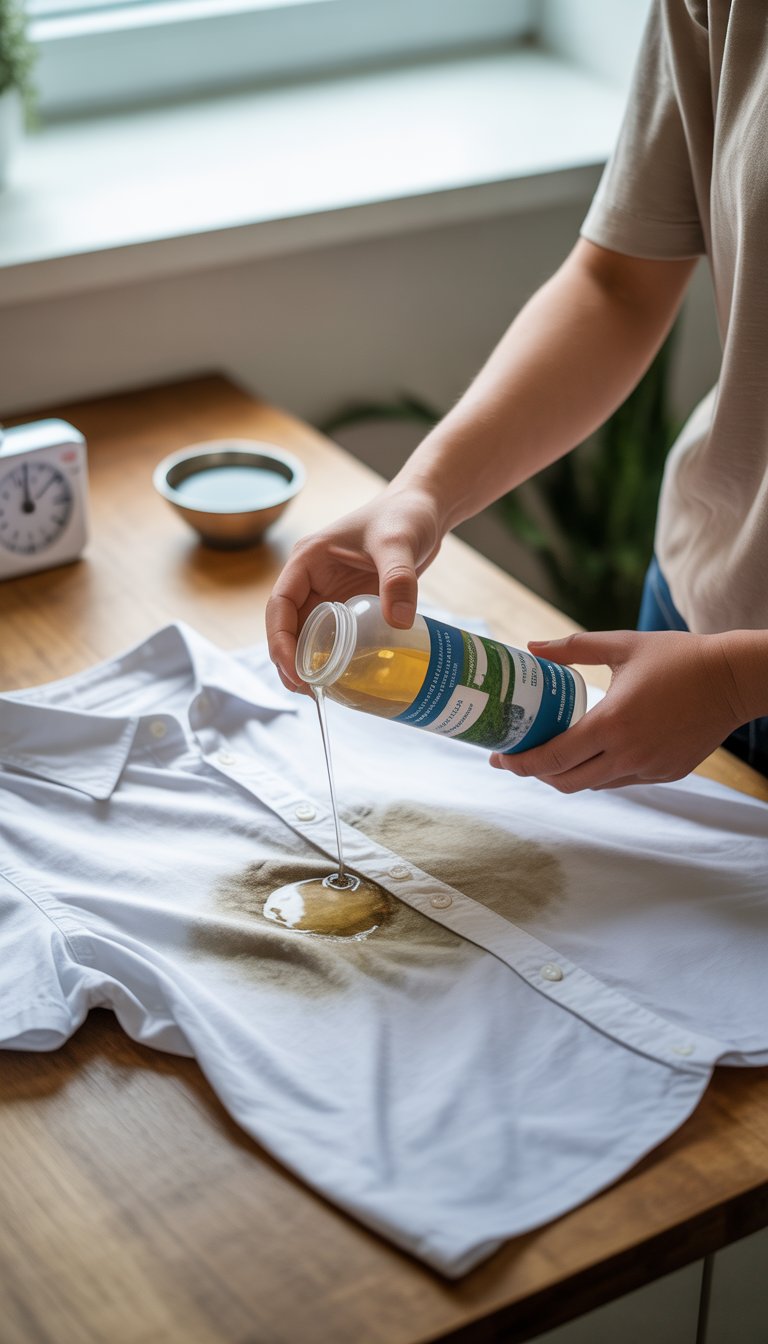
Squeeze a stain remover straight onto the moldy spots. Make sure you’ve covered every bit of the affected area.
Let it soak in for at least 30 minutes. Don’t rush—this gives it time to loosen up the stains deep in the fibers.
If you want, gently scrub with a soft brush after soaking. Then wash your clothes in hot water, but always check the care label first.
Wash clothes separately in hot water
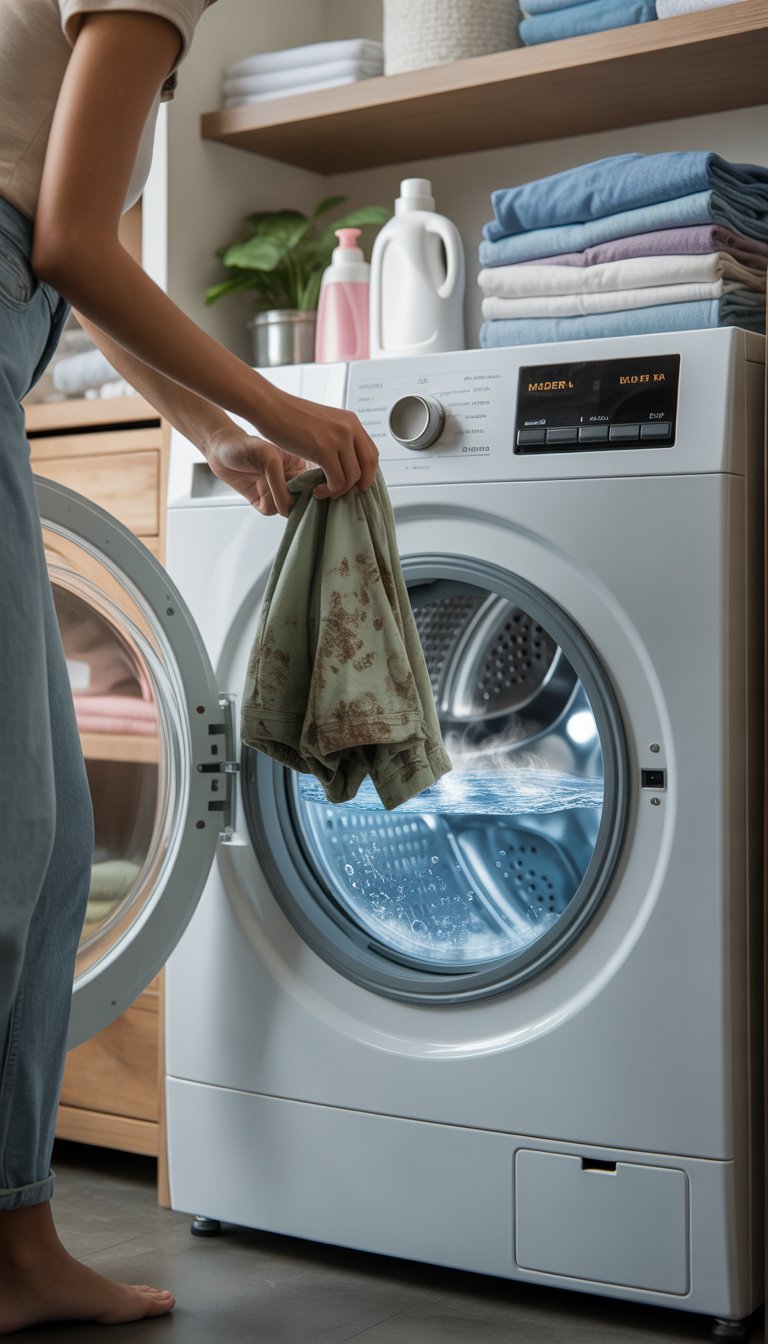
Wash moldy clothes in hot water. The heat kills mold spores and digs deep to remove grime and bacteria.
Keep these clothes separate from your regular laundry. That way, you don’t risk spreading mold to everything else.
Use the hottest water your fabric can handle. If things are especially stained or smelly, toss in a detergent with enzymes or a bleach alternative.
Just watch the water temp with colored clothes—hot water can fade or damage some fabrics. It’s usually safest for whites and sturdier materials.
Use white vinegar as a natural mold killer
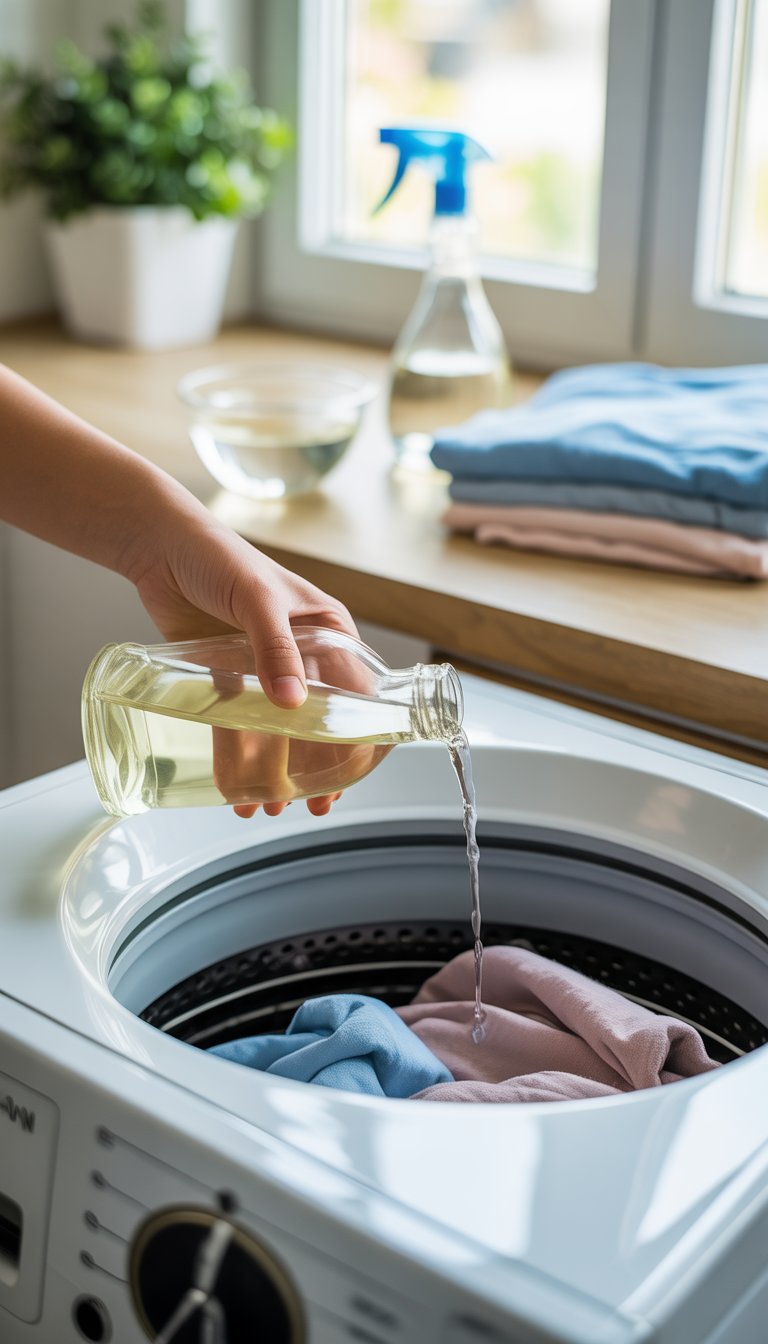
White vinegar is a classic and natural way to fight moldy clothes. Soak the fabric in undiluted vinegar or just pour a cup into your washing machine.
The acetic acid in vinegar attacks most mold types. It’s safe for many materials and skips the harsh chemicals, but you’ll want to avoid using it on silk or wool—vinegar can be too much for those.
Vinegar might not get every stain out, so you may still need a stain remover after. Still, it’s cheap, easy, and a solid choice if you’re steering clear of synthetic stuff. Just dry your clothes completely afterward, since any leftover moisture invites mold back.
Add baking soda to the wash for extra deodorizing
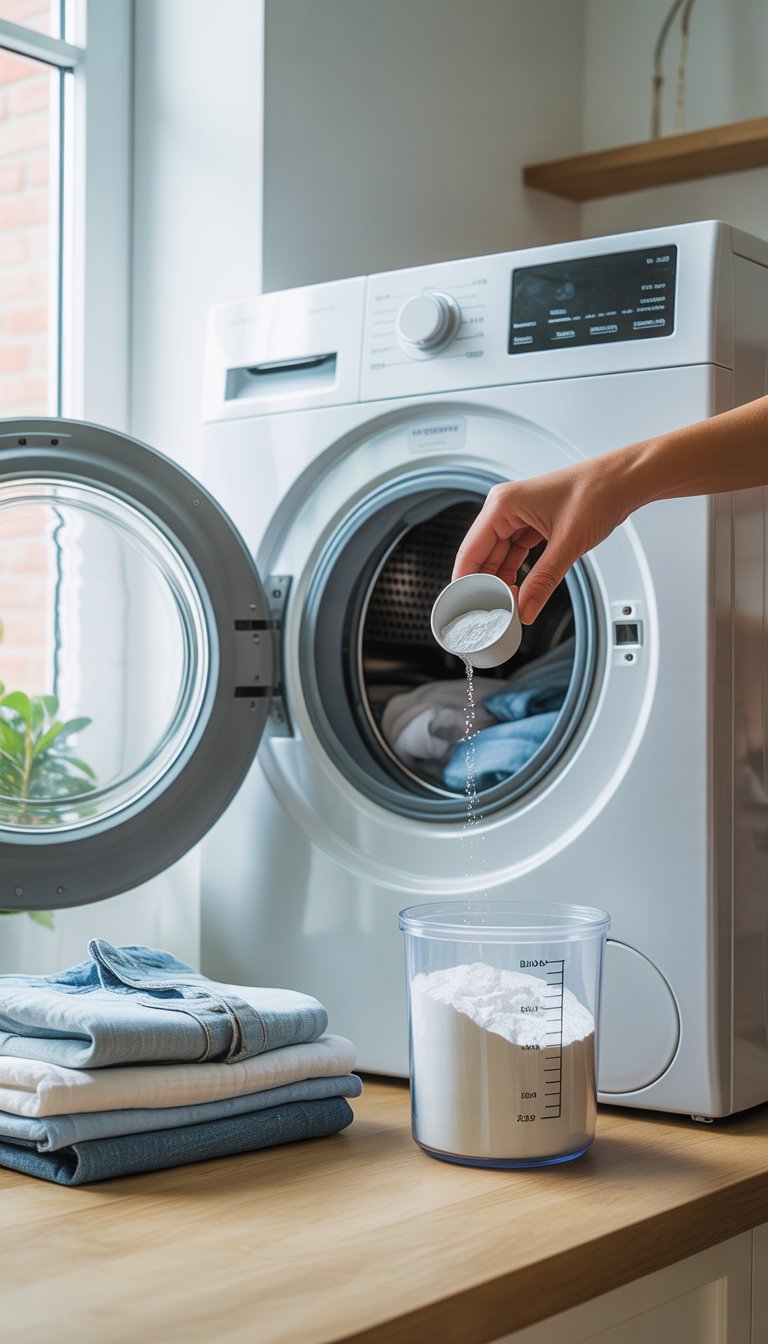
Dealing with stubborn smells? Toss in about half a cup of baking soda directly into the washer drum before starting the cycle.
Baking soda balances the pH in your wash and helps break down musty odors from mold. It even softens the water, so your detergent works better.
Your clothes come out smelling fresher and feeling cleaner, all without harsh chemicals. It’s a simple, natural boost—give it a try when laundry needs extra help.
Soak moldy clothes in lemon juice and sunlight
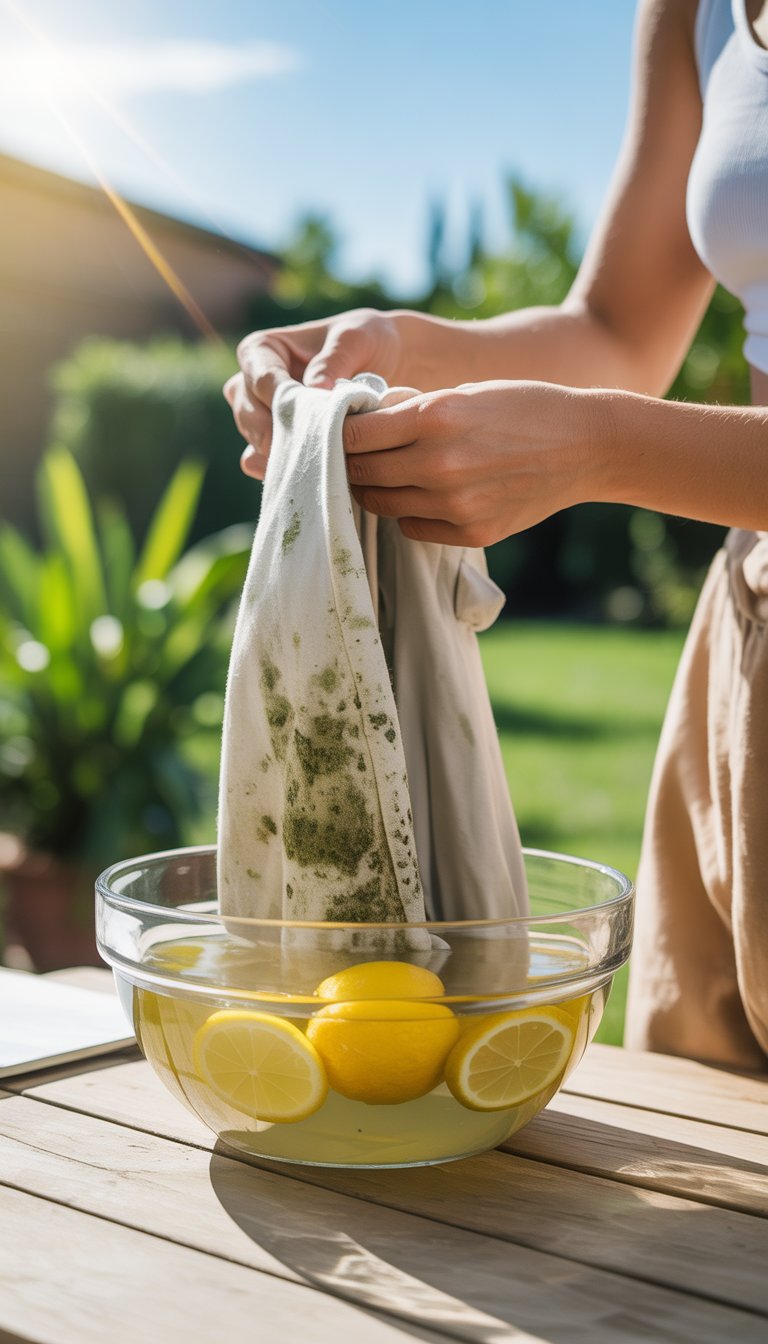
Mix equal parts lemon juice and water, then soak your clothes for about 30 minutes. Lemon’s natural acidity helps break down mold and can brighten stains.
After soaking, lay your clothes out in the sun to dry. Sunlight acts as a natural disinfectant and helps air out any lingering smell.
This method is gentle and uses what you probably already have at home. Just rinse well after, so your clothes stay soft.
Use diluted hydrogen peroxide to treat mold stains
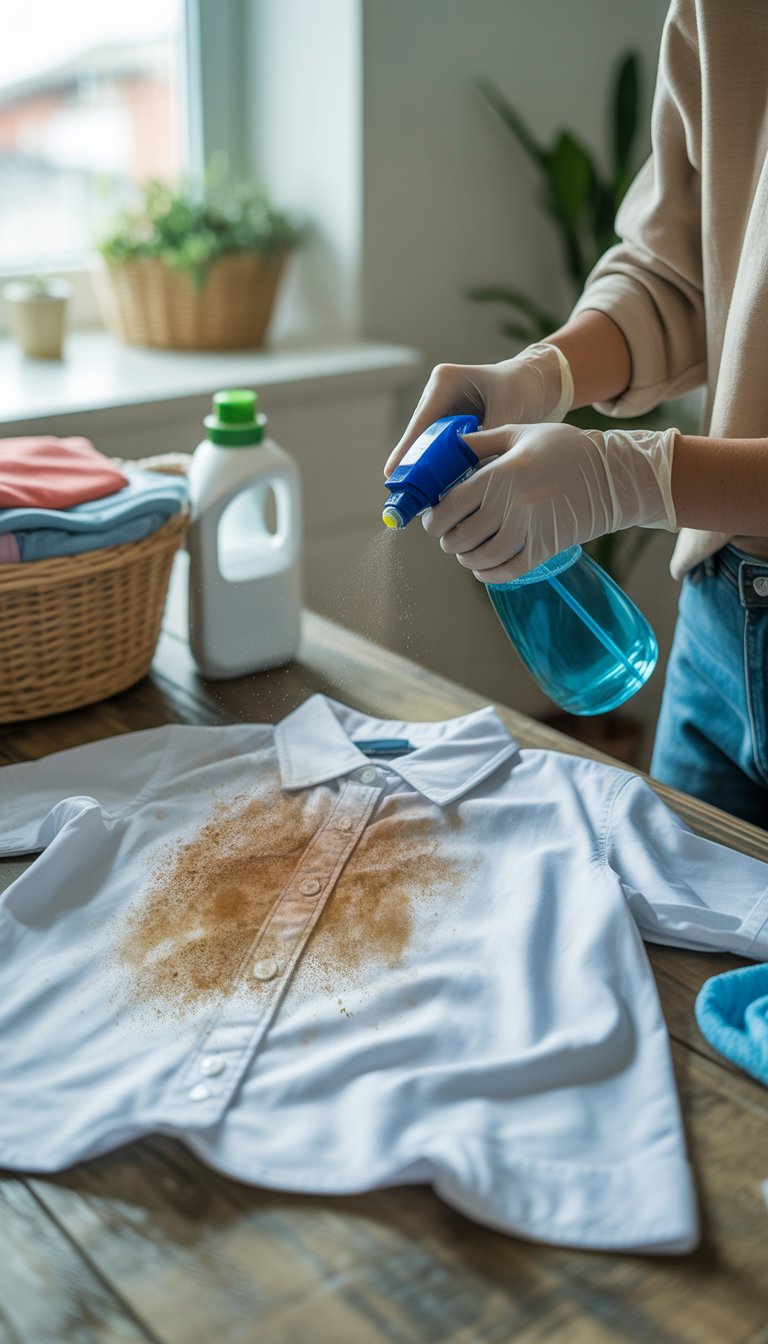
Try diluted hydrogen peroxide for stubborn mold stains. A 3% solution usually does the trick.
Mix one part hydrogen peroxide with two parts water, then apply it right on the stain. Let it sit for about 10 minutes, but watch your fabric to avoid any weird reactions.
Gently scrub the spot with a soft brush or cloth. After that, wash your clothes as usual.
Hydrogen peroxide not only removes stains—it kills mold spores, too. Always test it on a hidden area first, just in case your fabric reacts badly.
Add a cup of bleach to white clothing washes
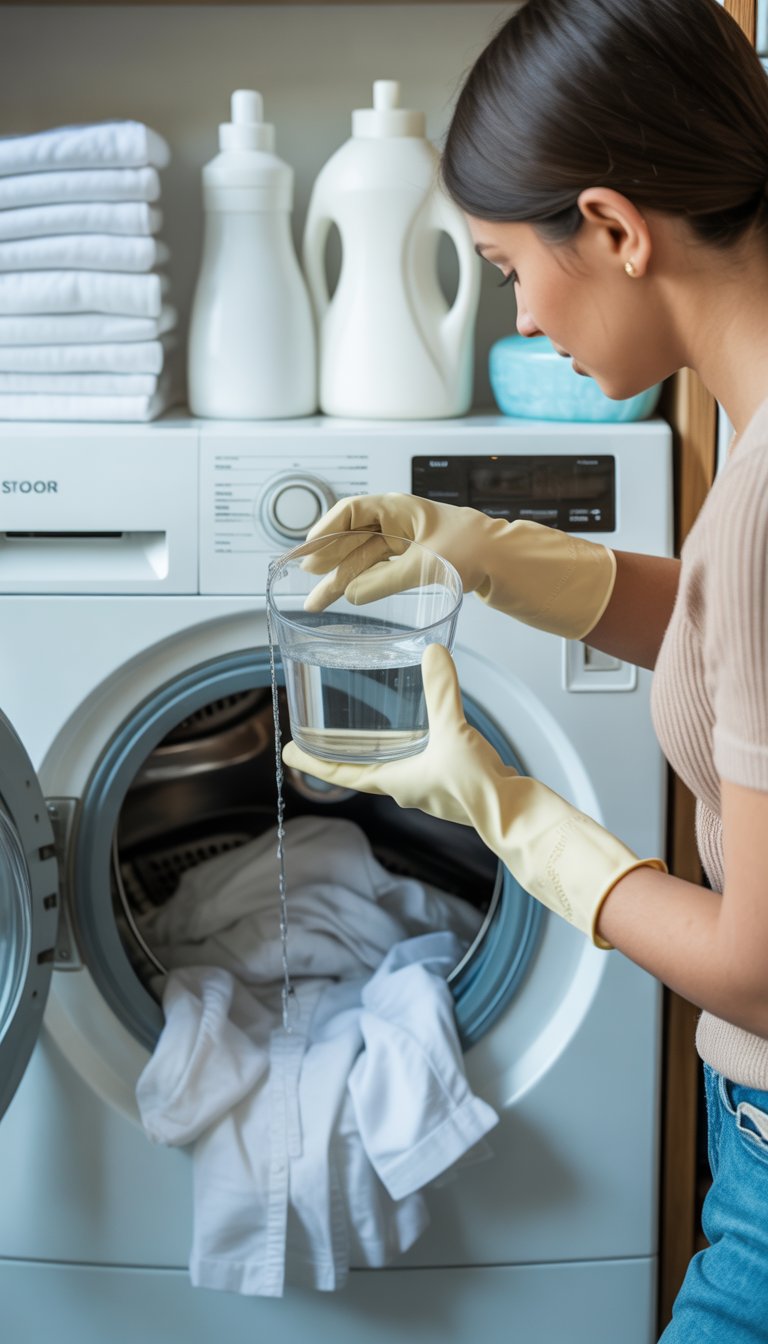
If your white clothes have mold, add a cup of bleach (but always check the care label first). Bleach wipes out spores and brightens up your whites.
Pour bleach into the machine’s dispenser or dilute it in water—never pour it straight onto fabric. Wash whites by themselves to keep colors safe and let the bleach work its magic.
Used carefully, bleach can really help remove mold and freshen up your clothes.
Dry clothes under direct sunlight to kill mold spores
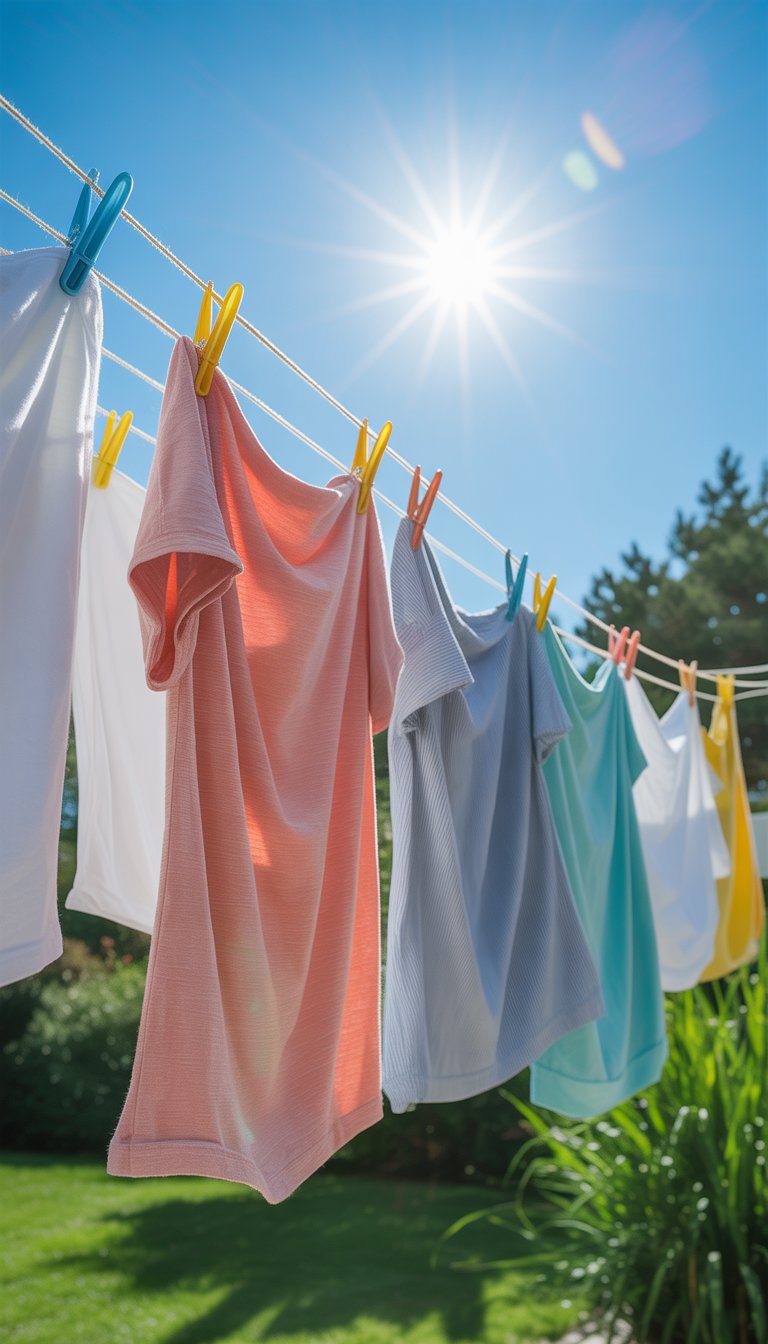
Hang your clothes outside after washing. Sunlight has natural antifungal powers that attack mold spores and help prevent them from coming back.
Pick a sunny, breezy spot if you can. The fresh air and UV rays team up to leave your clothes fresher and cleaner.
Some fabrics might fade or weaken in the sun, so check before leaving them out too long. Still, sunlight is a free, natural helper in your fight against mold.
Use a mold-specific laundry detergent
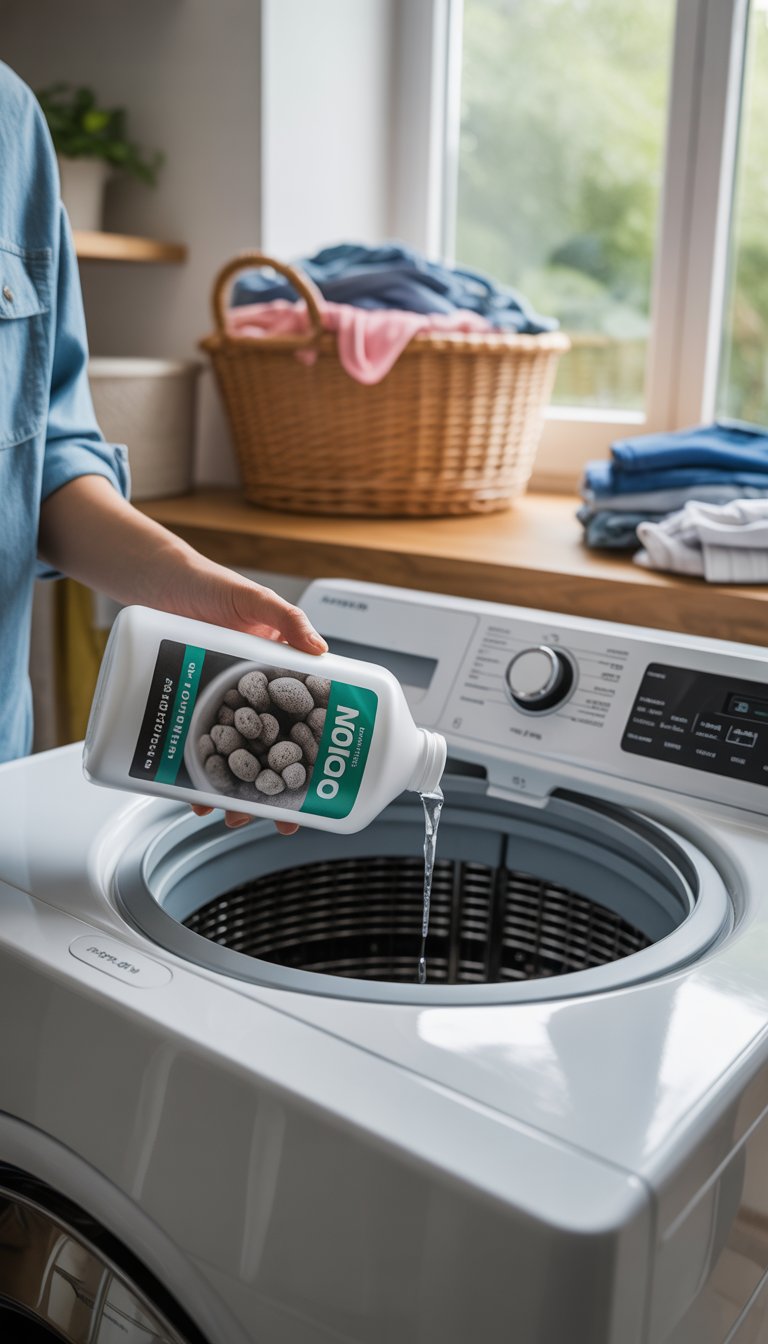
When you want to fight mold on clothes, using a mold-specific laundry detergent can make a big difference. These detergents tackle mold and mildew stains better than regular soap.
They usually have ingredients that kill mold spores and knock out stubborn odors. You don’t need to dump in a ton—a little bit goes a long way.
If your clothes often get damp or musty, it’s worth keeping one of these detergents handy. It’s just an easy extra step for mold-fighting power.
Pair these detergents with warm water if your fabric can handle it. You’ll probably notice your laundry coming out cleaner and fresher than before.
Avoid leaving damp clothes in the washer
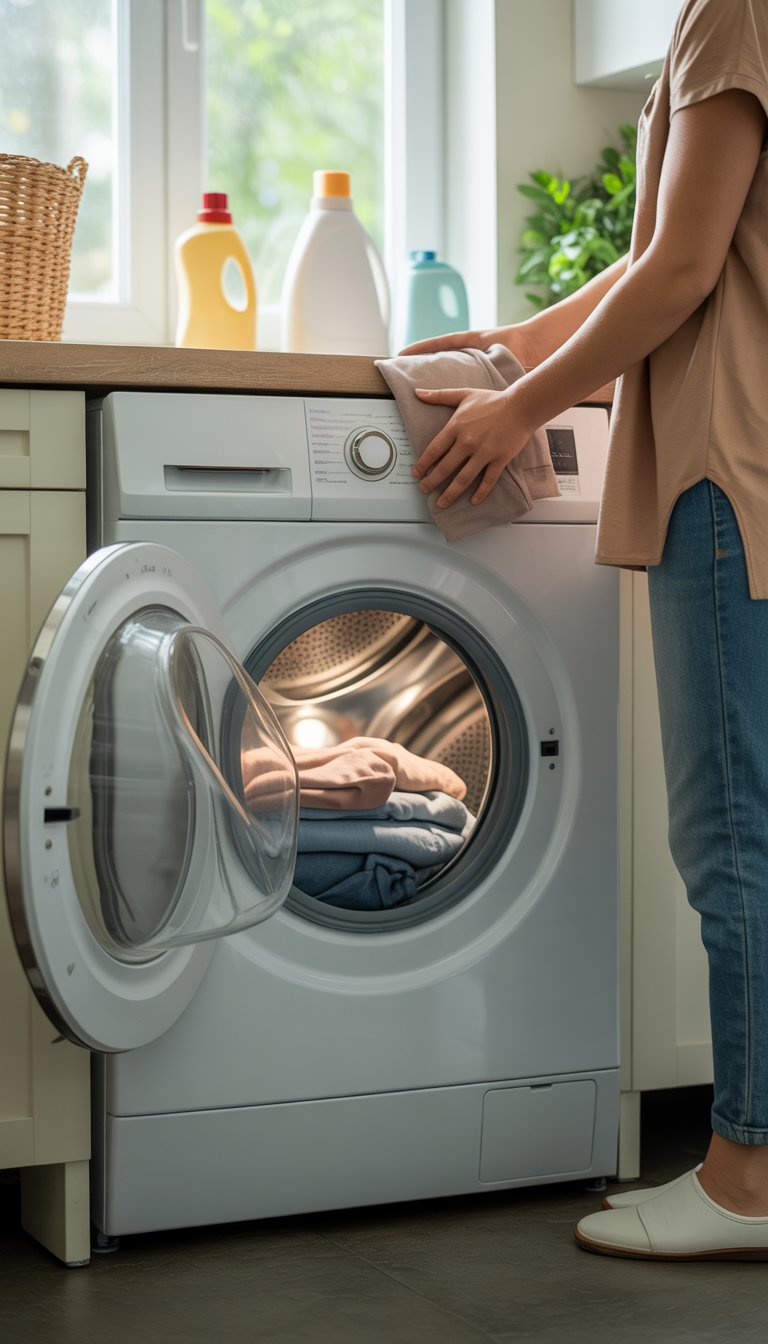
Leaving damp clothes in the washer is basically an invitation for mold. That warm, moist environment turns into a mold playground pretty quickly.
Try to move your laundry out of the washer as soon as the cycle ends. Even waiting a few hours can let that musty smell creep in.
If you’re forgetful (aren’t we all sometimes?), set a reminder on your phone. This tiny habit saves you from extra work later and keeps your clothes fresher.
You’ll also avoid the headache of dealing with moldy laundry down the road. Not a bad payoff for a quick trip to the washer, right?
Air out clothes before storing to prevent moisture buildup
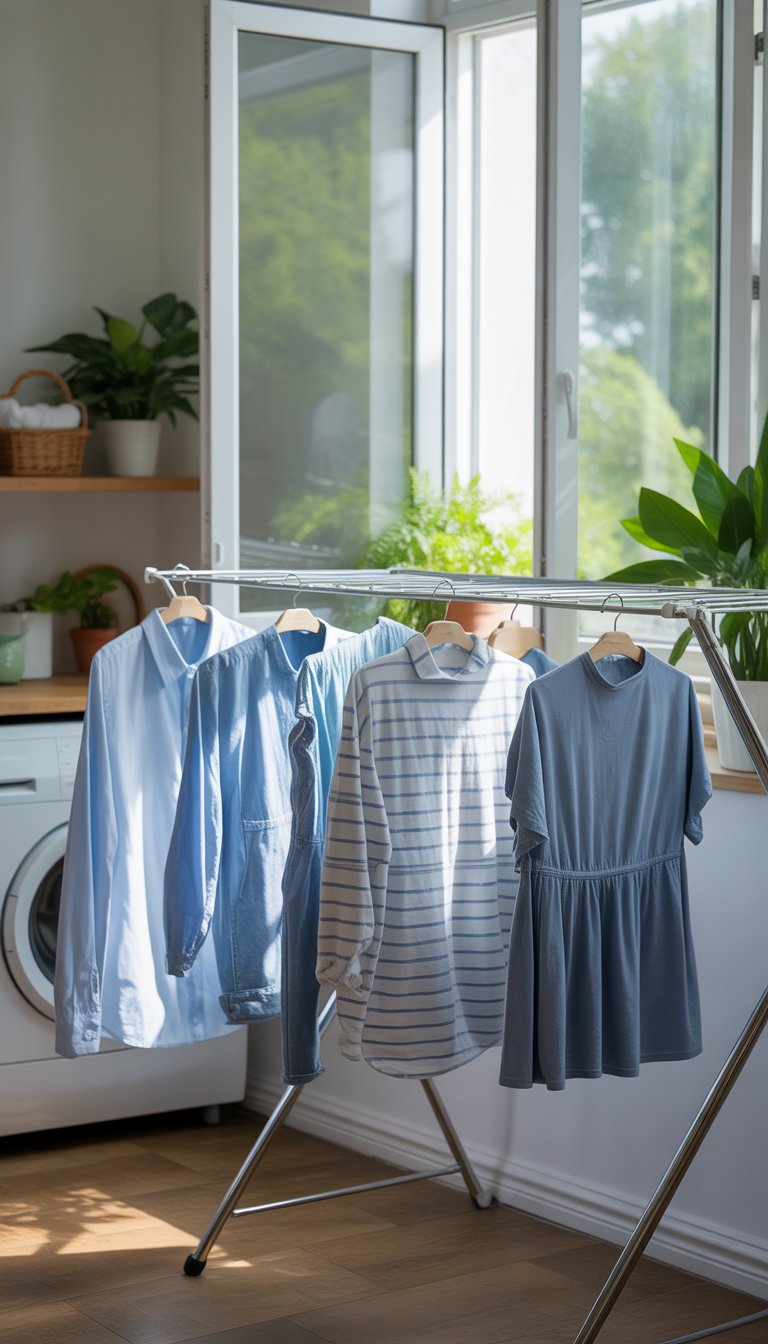
Before you put away your clothes, double-check that they’re bone dry. Moisture hiding in fabric is just asking for mold trouble.
Hang your clothes in a breezy spot so air can flow through and speed up drying. You don’t need any fancy gadgets—just a sunny window or a room with decent air movement will do.
If you can, open a window or flip on a fan. This simple habit really does keep your clothes from getting musty.
Dry, aired-out clothes stay fresher in storage. You’ll notice fewer mildew problems and a cleaner-smelling closet.
Use a dehumidifier in storage areas
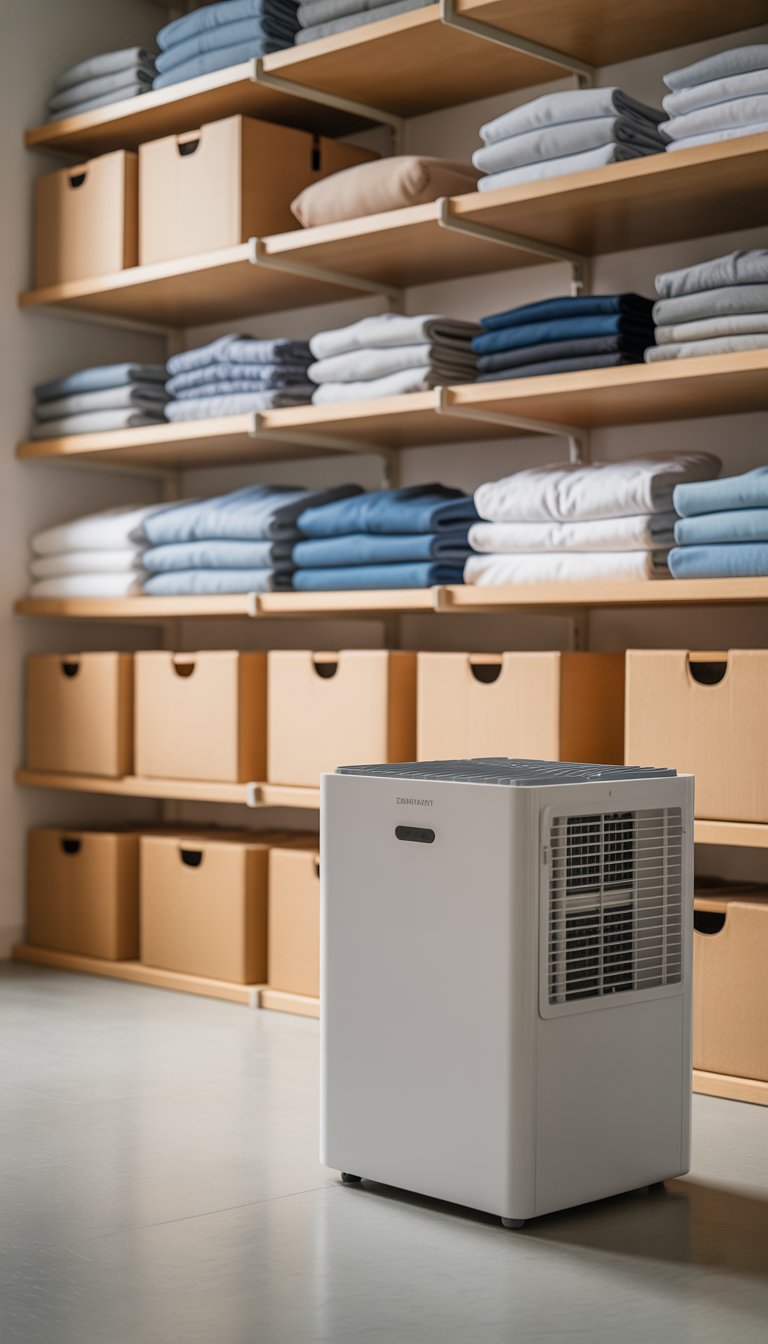
If you store clothes somewhere damp, mold can sneak in and ruin them. A dehumidifier helps by pulling moisture right out of the air.
Set your dehumidifier on a hard surface for the best airflow. Don’t put it on a carpet or rug—those can block it and make it less effective.
Run the dehumidifier regularly, especially when it’s humid or the room feels stuffy. It’s a simple tool but it can make a huge difference.
Keeping moisture under control means your clothes stay clean and mold-free until you want to wear them again. The air smells fresher, too.
Repeat washing if mold smell persists
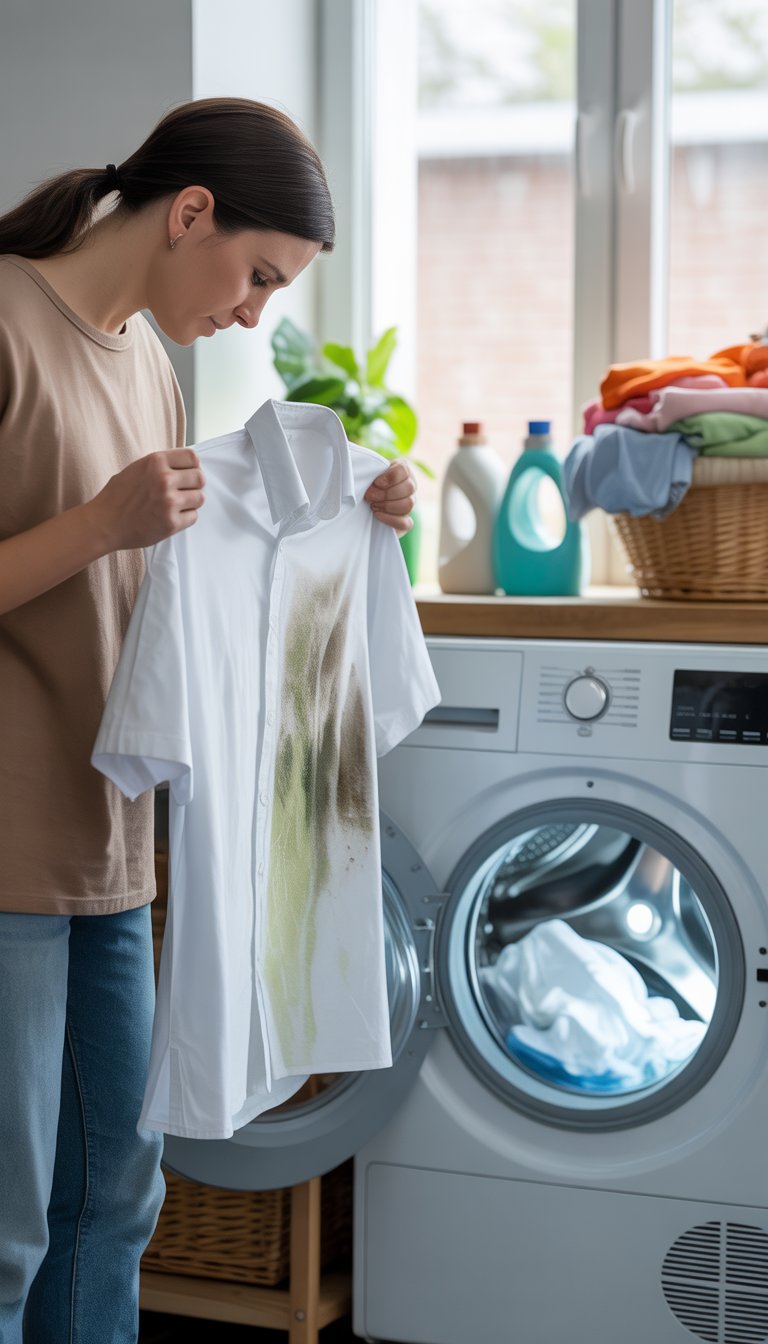
If you still catch a mold smell after washing, don’t give up. Mold can be stubborn—sometimes one wash just doesn’t cut it.
Run your clothes through another cycle, maybe with a stronger treatment. Use hot water if your fabric can handle it, since heat helps kill mold spores.
Try adding vinegar or baking soda for an extra cleaning boost. Those can help without wrecking your clothes.
Check your washing machine, too. If it’s dirty, it might keep spreading that musty smell back to your laundry.
Clean your washer regularly so you’re not fighting a losing battle. With a little patience, your clothes should start to smell fresh again.
Handle moldy clothes with gloves to avoid irritation
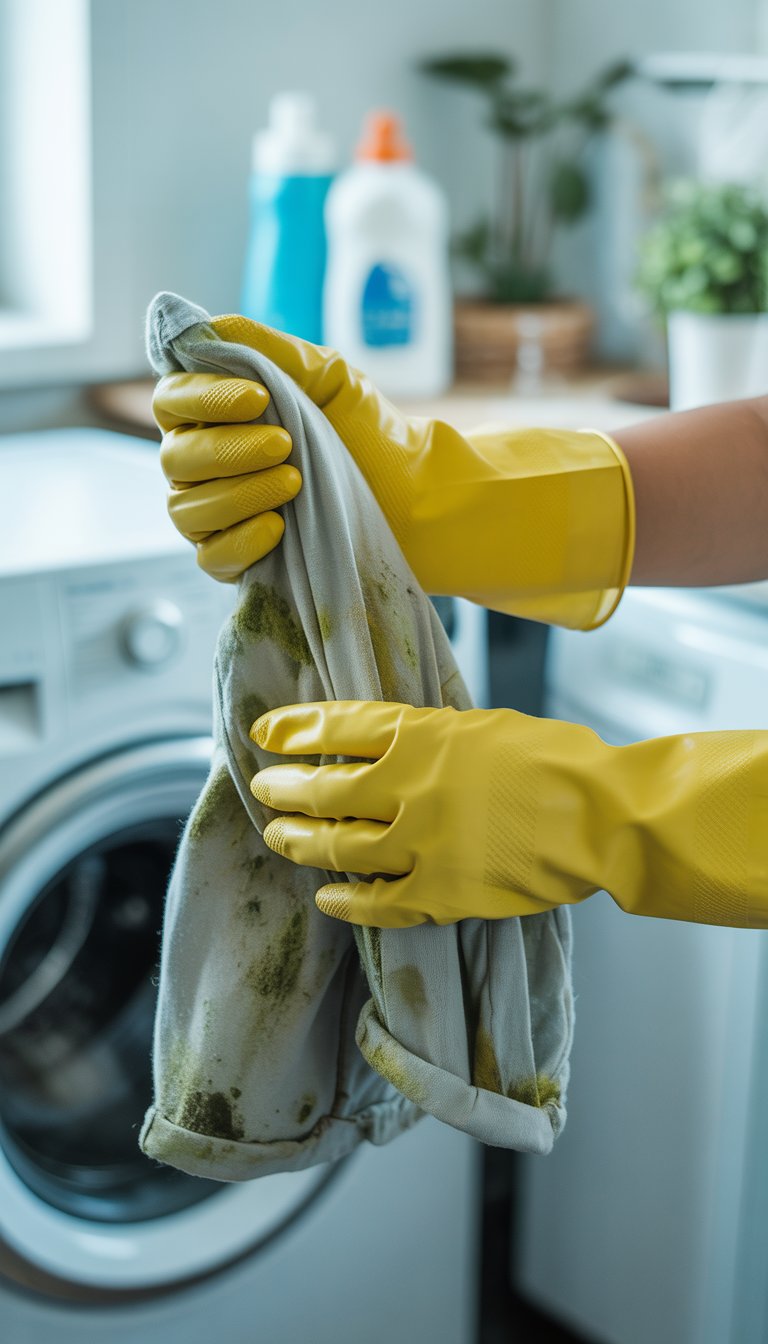
When you’re dealing with moldy clothes, wear gloves. Mold spores can bother your skin or even cause allergies.
Gloves also keep you from spreading mold to other things—or yourself. You definitely don’t want to touch your face after handling that stuff.
Pick disposable or rubber gloves that fit snugly. After you’re done, toss them or wash them well, depending on the type.
It’s a tiny step, but it saves you from itchy skin and other annoying problems while you clean up.
Why Mold Grows On Clothes
Mold grows on clothes when tiny spores settle, feed, and multiply. Usually, this happens when moisture and warmth mix and your clothes don’t get enough air or sunlight.
Knowing what causes mold helps you stop it at the source. It’s honestly a bit sneaky how fast it can show up.
Common Causes of Mold Growth
Mold loves damp clothes. If you leave wet or sweaty laundry sitting around, mold spores find the perfect spot to grow.
Storing clothes before they’re dry or wearing fabrics that dry slowly makes mold more likely. Sometimes, spills or sweat that don’t get washed out quickly start the problem.
Dirty clothes in dark closets or bags are trouble, too. Natural fibers like cotton hold moisture longer, which gives mold more to work with.
Environmental Factors That Promote Mold
Mold thrives in places with poor airflow and high humidity. If your closet is cramped, dark, or humid, mold moves in fast.
Warm temperatures—think 70°F to 90°F—are ideal for mold spores. Poor ventilation traps moisture, especially if you dry clothes indoors without much air movement.
Keeping rooms dry and cool with good airflow helps stop mold from getting started.
Long-Term Solutions to Prevent Mold
Keeping mold off your clothes is really about controlling moisture and air flow. You can tweak how you store and handle laundry to stop mold before it gets started.
Small habits and smart choices protect your fabrics for the long haul. It’s not rocket science, just a bit of consistency.
Proper Storage Techniques
Store clothes in dry, well-ventilated areas. Don’t cram them in tight—bad airflow is just asking for mold.
Use breathable containers like fabric bags or open shelves, not plastic bins that trap moisture. Toss in moisture absorbers like silica gel packs or charcoal bags to pull extra dampness from the air.
Never put away dirty or damp clothes. Always dry them completely first.
If your closet gets humid, try a dehumidifier or a fan. Check your stored clothes regularly for any signs of mold so you can catch problems early.
Enhancing Laundry Habits
Wash clothes properly to keep mold spores from settling in. Use hot water if your fabric can take it—heat kills most spores.
Add a cup of white vinegar or baking soda to the wash to boost cleaning power. Dry clothes thoroughly and quickly; don’t leave wet laundry in a pile or sitting in the machine.
Whenever you can, dry clothes outside in sunlight. UV rays help kill mold. For indoor drying, use a fan or dehumidifier to speed things up.
Give your washing machine a monthly clean with bleach or vinegar to remove mold residue. That way, your laundry stays mold-free every time.
Frequently Asked Questions
Mold on clothes can be a pain, but with the right steps, you can usually get rid of it without trashing your favorite stuff. Sometimes it’s hard to know when to save or toss clothes, or which household items actually work.
Can moldy clothes be saved, or should they be discarded?
You can often save moldy clothes if the mold hasn’t soaked in too deep. Scrub the mold gently off with a toothbrush first.
If the smell or stains won’t budge after a few tries, it might be time to let them go for your health’s sake.
What’s the secret to extracting mold from fabric using household items?
White vinegar is a great natural mold killer. Soak the clothes or spray vinegar right on the moldy spots and let it sit for at least half an hour before washing.
Baking soda tossed in the wash also helps with odors and brightens things up a bit.
Could wearing mold-infested clothing be a health hazard?
Yes, wearing moldy clothes can irritate your skin or cause allergic reactions. Mold spores can trigger breathing problems, especially if you have asthma or sensitivities.
It’s best to clean moldy fabric thoroughly before wearing it again.
Are there special considerations for laundering moldy garments safely?
Wash moldy clothes separately in hot water to kill the spores. Use your regular detergent, but add vinegar or baking soda for extra cleaning power.
Don’t mix moldy fabrics with the rest of your laundry—you don’t want to spread the problem.
What’s the best way to tackle mold stains on colorful textiles?
Try a stain remover first, but test it on a hidden spot so you don’t ruin the color. Watch the water temperature—too much heat can damage colors.
Vinegar is a good bet since it’s less harsh than bleach on colored fabrics.
How do you deal with mold on clothes that can’t go in the wash?
If you’ve got delicate items, try scrubbing the mold gently with a toothbrush. Spritz a little vinegar spray on the spots, too.
After that, air them out in the sun—sunlight’s honestly pretty great at killing mold spores. If the mold just won’t budge, you might want to think about calling in a professional cleaner before risking the fabric.